
Lease-to-Own Equipment Programs: A Strategic Advantage for Bulk Material Handling Operations
Why More Manufacturers Are Choosing Equipment Financing Over Traditional Capital Purchases
Lease-to-own bulk material handling equipment offers manufacturers a flexible way to acquire essential processing and automation systems while preserving capital for other operational priorities. For manufacturers, food processors, chemical producers, and logistics companies, capital allocation has become a critical competitive advantage. As production demands increase and supply chains become more complex, organizations are rethinking how they acquire essential bulk material handling equipment.
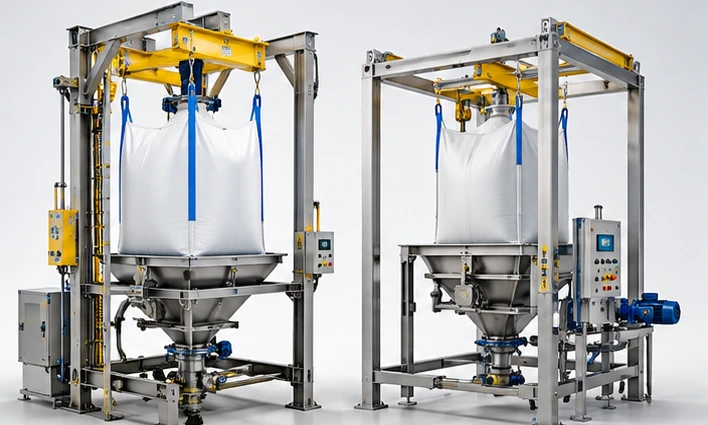
Systems such as bulk bag unloaders, pneumatic conveying systems, screw conveyors, tubular drag conveyors, and automated ingredient handling systems are vital to maintaining efficient, scalable production. Historically, these assets were purchased outright through capital expenditure (CapEx). Today, many companies are embracing lease-to-own equipment financing programs as a smarter, more flexible approach.
Equipment financing can help manufacturers preserve working capital while investing in machinery and automation. The Business Development Bank of Canada provides additional guidance in its article, Equipment Financing 101: Everything You Need to Know, which examines financing considerations, equipment investments, and the decision to buy or lease. By reducing upfront capital requirements while preserving cash flow, lease-to-own solutions enable organizations to deploy critical equipment faster and support long-term growth initiatives.
Managing Capital Costs in Modern Manufacturing
Capital budgets are under constant pressure from competing priorities, including:
- Facility expansions
- Automation initiatives
- Sustainability projects
- Digital transformation investments
- Workforce development programs
A complete bulk material handling system can range from $50,000 to over $1.5 million, depending on scope and complexity. Typical project costs may include:
- Structural steel and support platforms
- Conveyors and feeding systems
- Dust collection equipment
- Automation and controls
- Installation and commissioning services
When significant capital is tied up in equipment purchases, organizations may delay operational improvements or miss opportunities to increase production capacity.
This is why many companies are exploring industrial equipment leasing for bulk material handling systems as a way to accelerate investment while preserving cash for strategic initiatives.
How Lease-to-Own Financing Improves Cash Flow
One of the primary advantages of a lease-to-own program is the ability to shift equipment acquisition from a large capital expenditure to a predictable operating expense.
Predictable Monthly Payments
Most lease-to-own agreements provide:
- Fixed monthly payments
- Flexible terms ranging from 24 to 60 months
- End-of-term purchase options
This predictable cost structure helps organizations manage budgets more effectively while maintaining financial flexibility.
Faster Equipment Deployment
Traditional capital approval processes can sometimes delay equipment acquisition for months. Lease-to-own financing often streamlines procurement by enabling faster decision-making and implementation.
Benefits include:
- Rapid production scaling
- Faster response to market demand
- Reduced downtime from aging equipment
- Quicker modernization of process systems
For facilities facing production bottlenecks, lease-to-own conveyor systems for manufacturing operations can provide a practical path to immediate operational improvements.
Stronger Working Capital Position
Maintaining available cash reserves allows organizations to:
- Improve liquidity ratios
- Fund additional growth initiatives
- Manage unexpected market fluctuations
- Strengthen overall financial stability
For large enterprises, preserving working capital can be just as important as reducing equipment costs.
Operational Flexibility and Reduced Risk
Bulk material handling systems are long-term investments. However, production requirements rarely remain static.
Built-In Scalability
Lease-to-own programs can provide flexibility to:
- Upgrade equipment during the lease term
- Add conveying equipment, hoppers, or dust collectors
- Expand system capacity as demand grows
- Standardize equipment across multiple facilities
This scalability allows manufacturers to adapt to changing production requirements without major capital reinvestment.
Reduced Obsolescence Risk
Technology advances rapidly in industrial environments. Automation capabilities, safety standards, process controls, and data integration requirements continue to evolve.
Lease-to-own programs can help companies minimize equipment obsolescence risk by providing structured pathways for future upgrades and modernization.
Organizations evaluating financing options for bulk bag unloaders and pneumatic conveying equipment often find this flexibility especially valuable when planning long-term growth.
Integrated Maintenance and Service Benefits
Many lease-to-own programs can include ongoing support services, helping organizations maximize equipment uptime and operational performance.
These services may include:
- Preventive maintenance
- Replacement parts programs
- Remote monitoring capabilities
- Priority technical support
- Scheduled system inspections
By incorporating maintenance into the financing structure, companies gain greater predictability in operating costs while reducing the risk of unexpected downtime.
Benefits Across Engineering, Purchasing, Operations, and Finance
A successful equipment investment must satisfy multiple stakeholders within an organization.
Engineering Teams
Engineers gain faster access to modern equipment that supports productivity and process optimization goals.
Purchasing Teams
Procurement professionals benefit from predictable payment structures and simplified budgeting.
Operations Teams
Operators receive reliable, modern systems that support throughput, quality, and uptime objectives.
Finance Teams
Financial leaders can maintain stronger cash positions while improving return-on-invested-capital metrics and reducing capital exposure.
This cross-functional alignment is one reason industrial equipment financing strategies for manufacturing companies continue to gain adoption across North America.
Lower and More Predictable Total Cost of Ownership
When equipment financing includes maintenance, support, inspections, and upgrade pathways, organizations often gain a clearer understanding of their long-term operating costs.
Benefits may include:
- Reduced unexpected expenses
- Improved budgeting accuracy
- Lower downtime costs
- Extended equipment performance
- Better asset utilization
For many organizations, the total cost of ownership for bulk material handling equipment becomes more manageable and predictable under a lease-to-own structure than with traditional ownership.
When Lease-to-Own Financing Makes Sense
Lease-to-own equipment programs are particularly effective when:
… Capital budgets are limited
… Production demand is increasing
… Equipment must be installed quickly
… Technology upgrades are anticipated
… Working capital preservation is a priority
… Multiple facilities require standardized equipment
For multi-site manufacturing operations, lease-to-own solutions can support consistent deployment of bulk material handling systems while avoiding large upfront capital expenditures.
Conclusion
In today’s manufacturing environment, the decision to lease or purchase bulk material handling equipment is no longer purely financial. It is a strategic decision that directly impacts growth, cash flow, operational flexibility, and long-term competitiveness.
Lease-to-own programs allow companies to deploy essential production assets faster, maintain stronger cash positions, reduce technology risk, and improve operational efficiency. As manufacturers continue to modernize their facilities, equipment financing solutions will play an increasingly important role in supporting sustainable growth and operational excellence.