
Case Study | Bulk Bag Handling Systems | Powder Packaging Automation
An automated bulk bag filling system can significantly improve packaging productivity, weighing accuracy, and operating efficiency for manufacturers handling powdered bulk materials. Inefficient filling operations often create unnecessary labor costs, excessive product waste, unstable filled bags, and airborne dust.
In this industrial bulk bag filling application, Saturn Process evaluated an existing packaging operation and developed a more efficient solution using cone table densification, high-accuracy hang weighing, and PLC-controlled filling automation.
The resulting system increased filling output from 12 to 30 bulk bags per hour, reduced the number of operators required at the filler, and generated reported annual savings of $105,924.
The project achieved a reported 425% first-year return on investment, with capital payback in approximately three months.
The Challenge: Improving an Existing Powder Bulk Bag Filling Operation
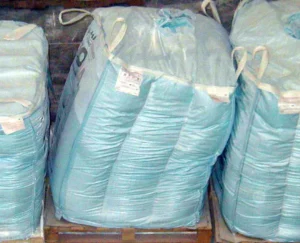
Before Improvement
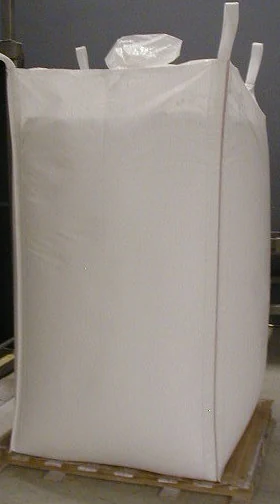
After Improvement
The manufacturing facility packaged a powdered ingredient into flexible intermediate bulk containers (FIBCs), commonly known as bulk bags.
The original operation filled approximately 10,000 bulk bags annually, representing about 10% of the plant’s overall production. Production equipment was diverted from other packaging formats whenever bulk bag filling was required, then returned to its normal duties afterward.
Several operating conditions were limiting efficiency. The filling process required two operators, the packaging rate was only 12 bags per hour, and operators intentionally overfilled bags to reduce the risk of shipping underweight product. Dust generated during filling also created housekeeping concerns. The filled bags relied on internal baffles for stability.
Original Bulk Bag Filling Conditions
| Operating Parameter | Original Condition |
|---|---|
| Powder bulk density | 55 lb/ft³ |
| Nominal bag weight | 2,200 lb |
| Bag volume | 40 ft³ |
| Bag dimensions | 37 × 37 × 63 inches |
| Annual volume | 10,000 bags |
| Filling rate | 12 bags per hour |
| Operators | 2 |
| Typical excess fill | 5 lb per bag |
| Bag construction | Internal baffles for stability |
At an ingredient value of $0.50 per pound, even small amounts of unnecessary product giveaway could become a significant expense over thousands of bags. A better system needed to improve filling accuracy and throughput while producing stable, cleanly filled bags.
The Solution: An Automated Bulk Bag Filling System with Cone Table Densification
Saturn Process implemented a cone table / hang filling system designed for efficient filling of powdered material into bulk bags. The solution combined controlled product flow, densification, weighing, and dust management in a coordinated operation.
Cone Table Densification for Stable Bulk Bags
The cone table helped settle and compact the powdered ingredient during filling. By improving product densification, the system produced more stable filled bags without relying on the internal baffles used in the original packaging.
This bulk bag filling system with cone table densification also reduced the required filled-bag height by approximately 10 inches, from 63 inches to 53 inches, while maintaining the target 2,200-pound bag weight. The resulting bags could be stacked two high, according to the original project results.
High-Accuracy Hang Weighing
The system used hang weighing to control the final filled weight. The documented filling accuracy was approximately ±1 pound, a substantial improvement over the previous practice of routinely adding five extra pounds per bag.
For operations evaluating a high-accuracy bulk bag weighing system, minimizing product giveaway can be as important as increasing packaging speed, particularly when filling a valuable ingredient.
PLC-Controlled Filling and Dust Collection
PLC automation coordinated the filling sequence and reduced manual intervention. A Model AC twin-tube filling head connected to the plant’s existing dust collection system to control dust at the filling point.
The original project documentation reported that dusting was eliminated at the filling station. This dust-controlled bulk bag filling system also reduced the staffing requirement from two operators to one.
Effective dust control is an important consideration in powder filling operations. NIOSH guidance on engineering controls for bag filling describes ventilation methods used to help capture airborne dust at the filling point.
Measured Results: Faster Filling, Better Accuracy, and Lower Operating Costs
The redesigned filling process delivered substantial improvements across several operating measures.
| Performance Measure | Before | After |
|---|---|---|
| Bulk bag filling rate | 12 bags/hour | 30 bags/hour |
| Operators required | 2 | 1 |
| Typical filling accuracy | About 5 lb intentional overfill | ±1 lb |
| Filled bag height | 63 inches | 53 inches |
| Internal bag baffles | Required | Not required |
| Dusting at filler | Present | Eliminated, as reported |
| Stacking | Stability concerns | Two-high stacking achieved |
Increasing output from 12 to 30 bags per hour represented a 150% increase in filling rate, or 2.5 times the original throughput. For a facility where bulk bag filling competed with other packaging activities for production time, this improvement helped reduce the time dedicated to bulk bag runs.
Financial Results: $105,924 in Reported Annual Savings
The original project analysis identified three main sources of annual operating savings: less expensive bags, reduced labor, and lower product waste.
| Annual Savings Category | Reported Savings |
|---|---|
| Lower-cost bulk bags without internal baffles | $45,360 |
| Reduced labor requirement | $13,440 |
| Reduced product waste / giveaway | $47,124 |
| Total reported annual savings | $105,924 |
Based on the original project figures, the investment delivered a reported 425% first-year ROI and a payback period of approximately three months. These figures describe the documented historical application; actual results will vary with material characteristics, equipment configuration, production volumes, labor rates, and bag costs.
Why Bulk Bag Filling Automation Matters Beyond Throughput
This case illustrates how automated FIBC filling equipment for powder products can improve several connected aspects of an industrial packaging operation.
Less Product Giveaway
More precise weighing reduces the need to intentionally overfill bags. For higher-value powders, improved weight control can generate recurring savings over the full annual production volume.
More Efficient Use of Labor
Reducing the filling operation from two operators to one allows personnel to be reassigned to other production tasks while maintaining higher bag output.
Improved Bag Shape and Handling
Effective densification can produce stable, more compact bulk bags. In this application, removing internal baffles lowered packaging costs while the reduced bag height supported more efficient handling and stacking.
Cleaner Filling Conditions
Connecting the filling head to an appropriate dust collection system can help control airborne powder during filling. The project reported elimination of dusting at the filling station, although dust-control performance depends on the material and site-specific system design.
How to Improve Bulk Bag Filling Productivity
Manufacturers considering an automated bulk bag filling system should evaluate the entire filling process rather than equipment speed alone. Important factors include powder bulk density and flow behavior, required bag weights, filling accuracy, bag design, dust collection, operator involvement, and downstream handling.
The most effective equipment configuration depends on how those requirements interact. A well-designed filling system can address production bottlenecks and recurring operating costs together, rather than improving one metric at the expense of another.
Conclusion: A Documented Return on Bulk Bag Filling Automation
In this Saturn Process application, a cone table / hang filling solution increased throughput from 12 to 30 bags per hour, improved weight accuracy to approximately ±1 pound, reduced labor requirements, and enabled the use of lower-cost bulk bags. The original project reported $105,924 in annual savings and a 425% first-year return on investment.
For facilities handling powdered ingredients or other bulk solids, these results demonstrate the potential value of matching bulk bag filling equipment to the material, packaging requirements, and production workflow.
Planning a bulk bag filling project? Request a Quote or Discuss Your Application with Saturn Process Solutions to review your material characteristics, production targets, and equipment requirements.
For additional automated filling applications, explore Saturn Process Solutions’ bulk bag filling equipment, including the SA4400 Bulk Bag Filler.